


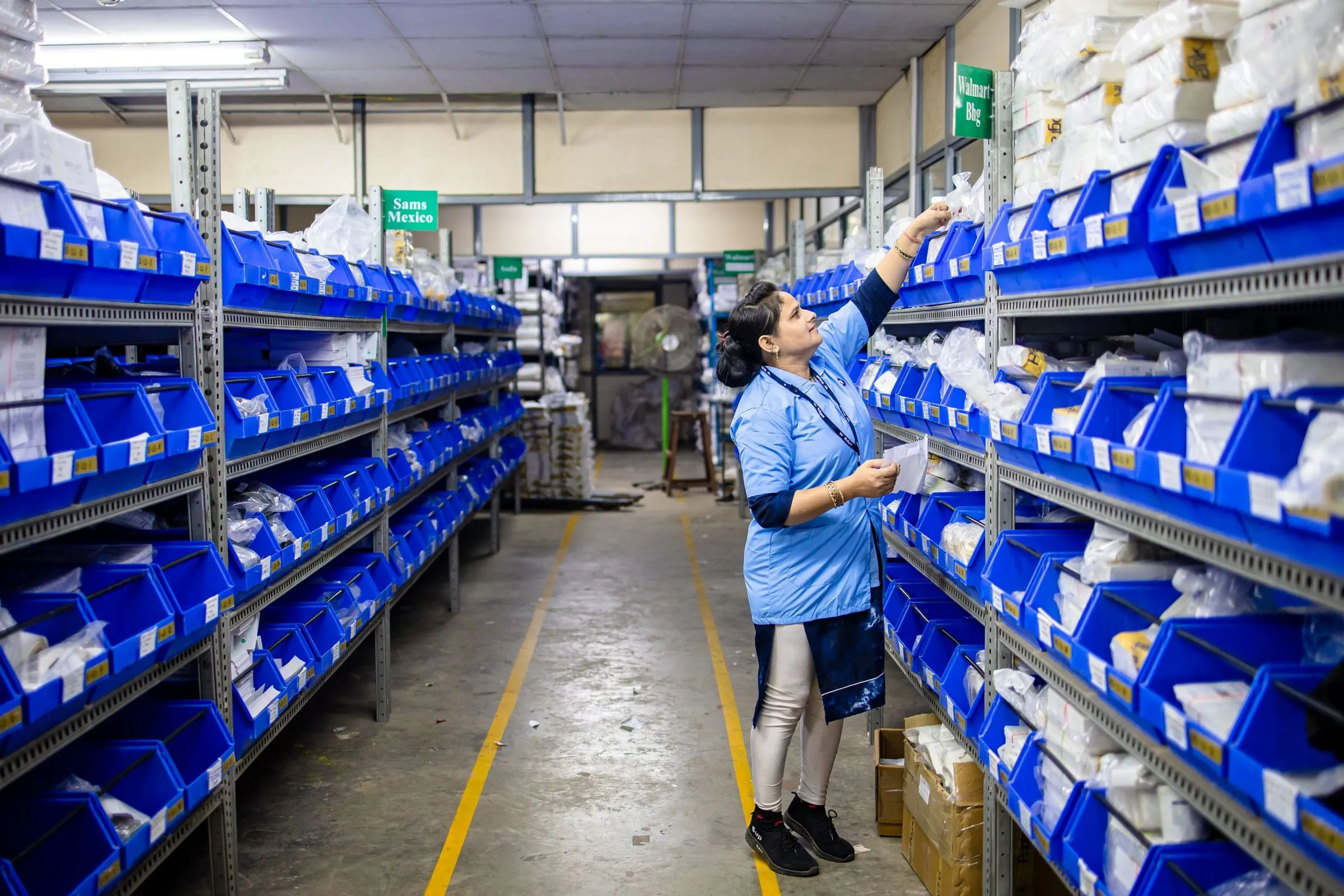
What a quiet peak season looks like from the inside
Peak season is won in June. What our planners do in the five months before the busiest weeks of the year, and why November should feel boring.
 Amira HaddadChief Operating Officer
 Rafael CostaHead of Warehousing
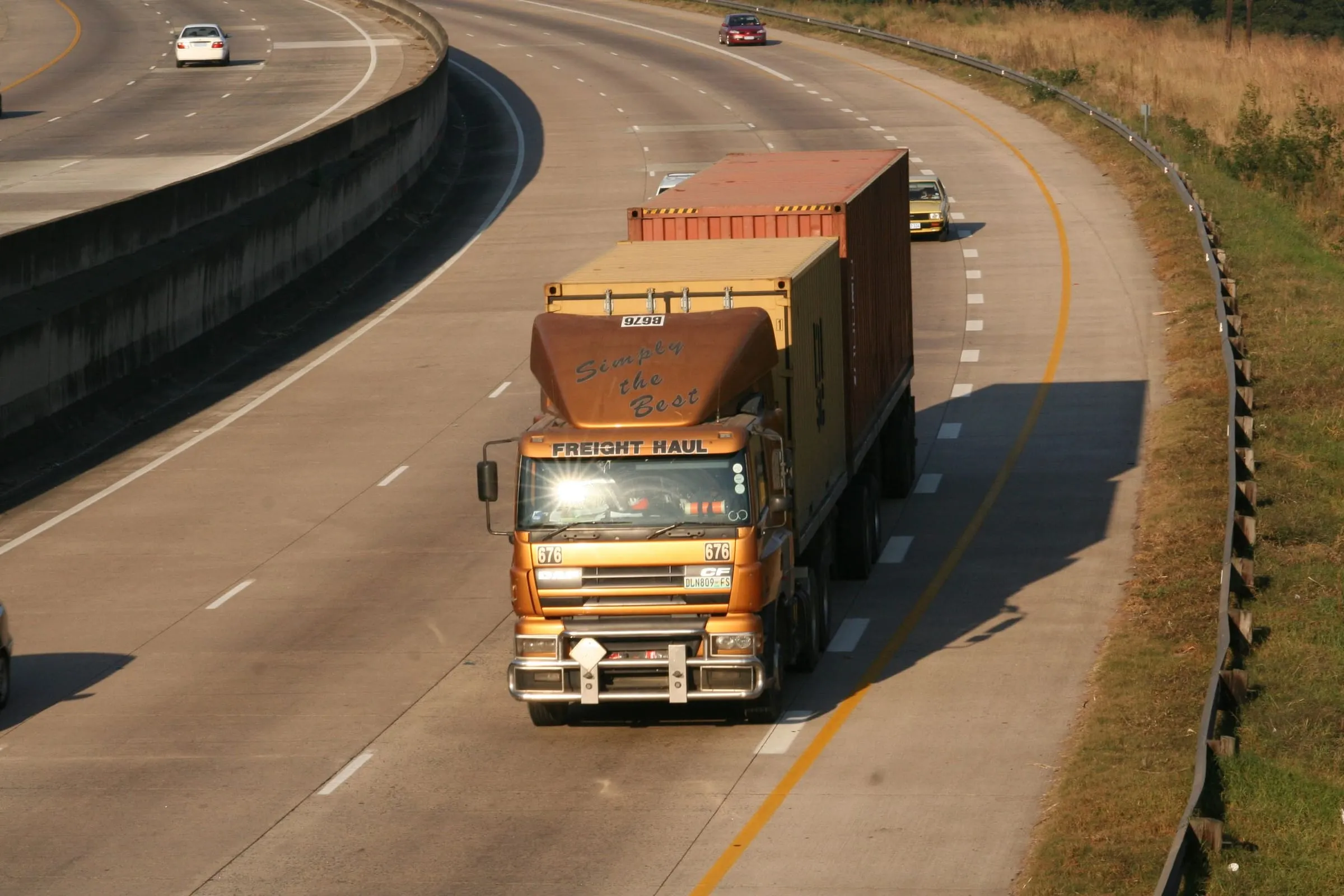
The best compliment a peak season can get is that nobody noticed it. That only happens when the work is done months earlier.
June: the forecast
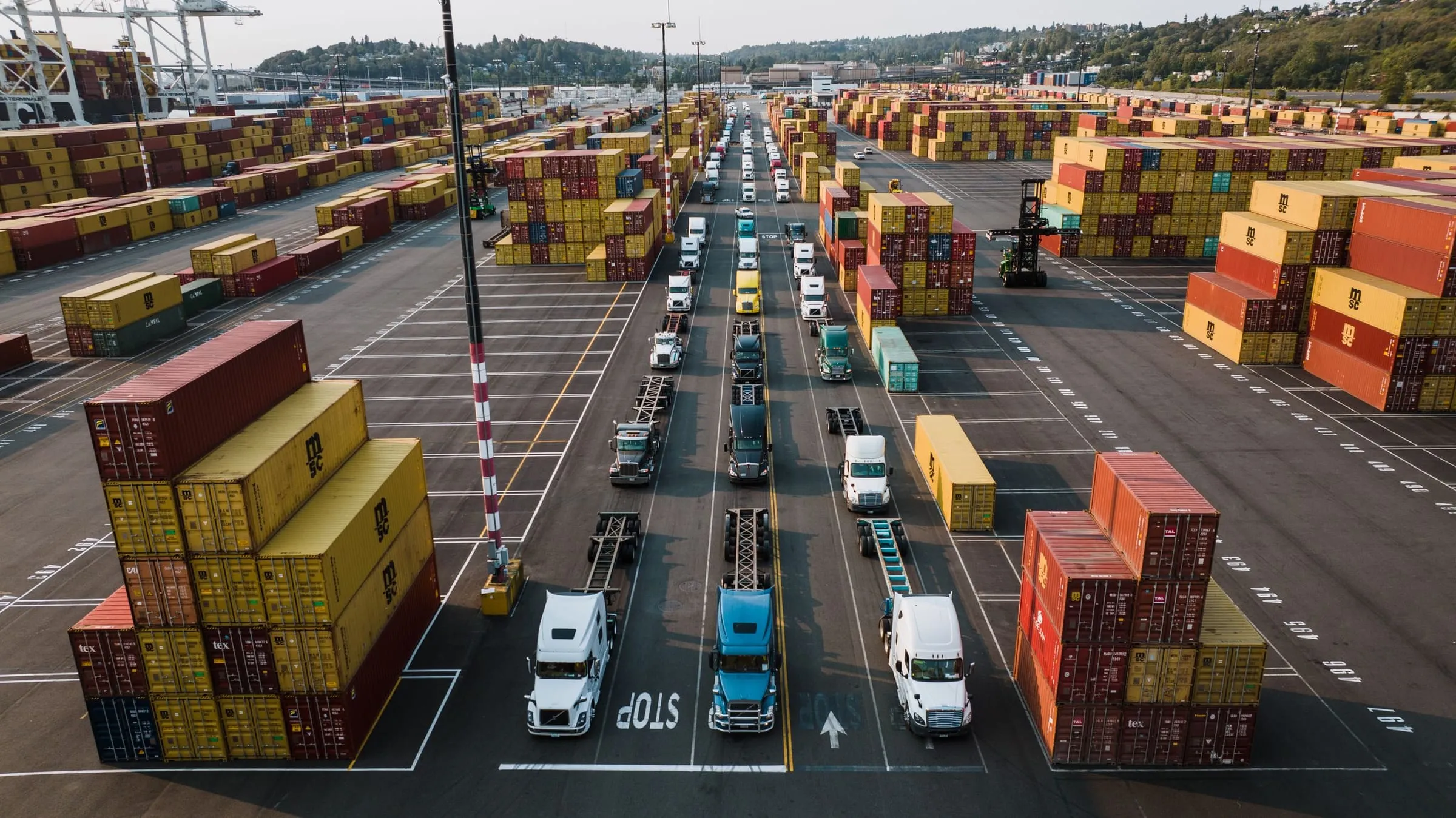
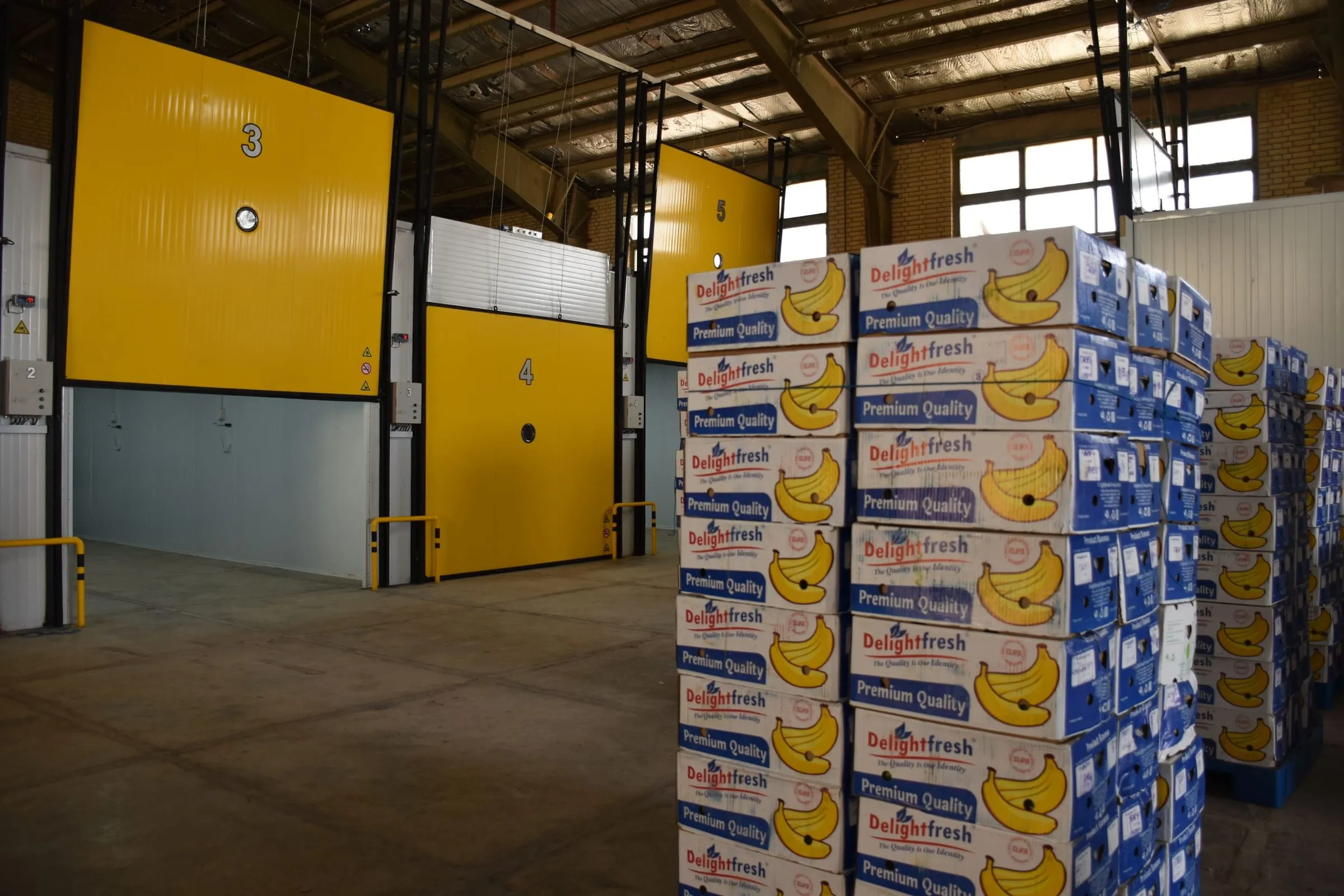
Every account team sits down with its customers in June and agrees a forecast for containers, pallets and orders, week by week, through to January. We do not ask for precision. We ask for a range we can plan both ends of.
July and August: space and people
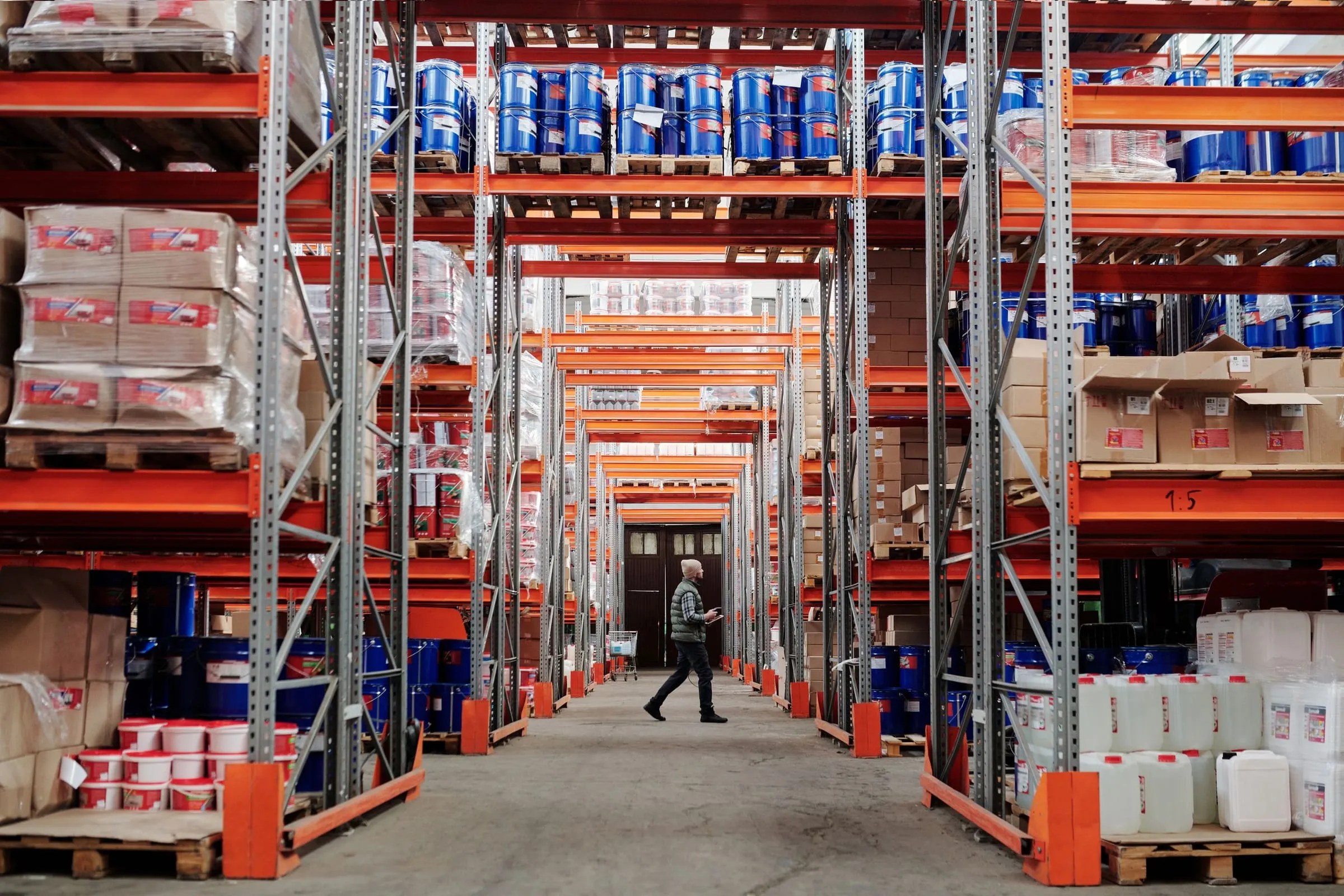
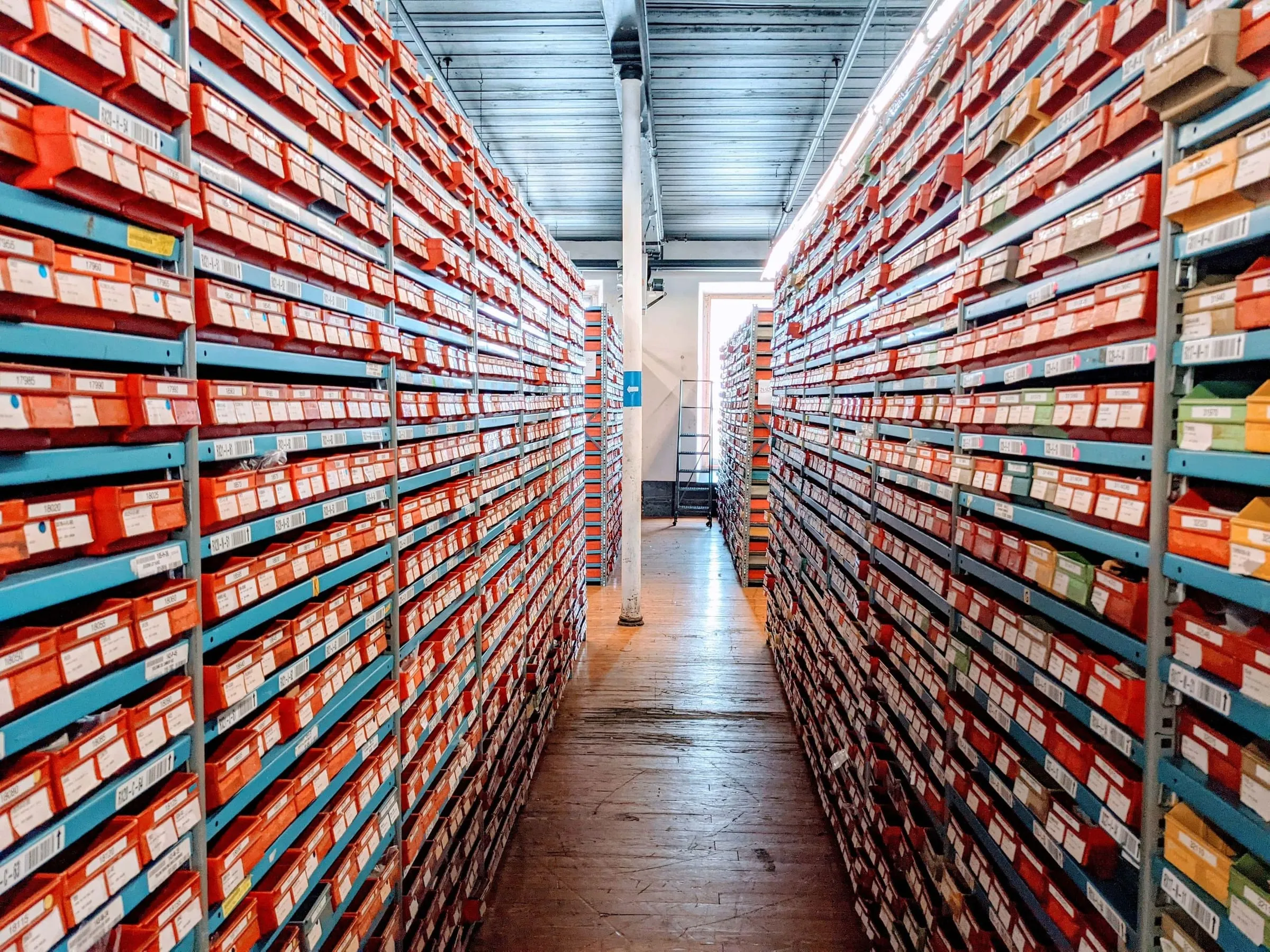
With the forecasts in hand, we lock in ocean allocations for September and October sailings, and start hiring and training the seasonal warehouse staff we will need in November. A picker trained in August is three times as productive in November as one hired the week before.
September: the dress rehearsal
We run one week at peak volume in every warehouse, on purpose, to find the bottlenecks while there is still time to fix them.
November: nothing happens
When the volume arrives, it arrives into a plan. That is the whole trick.
Share this insight